
.png)
Essential Deferred Maintenance Concerns for Apartment Buildings You Shouldn’t Ignore
Apartment buildings require ongoing care to remain safe, attractive, and functional. When maintenance is delayed or overlooked, small problems can quickly grow into costly repairs. Some issues are especially common but often neglected, putting property value and tenant satisfaction at risk. This post highlights the top four deferred maintenance items in apartment buildings: cracked asphalt parking lots, weathered roof flashings, deteriorating balconies, and non-serviced rooftop HVAC units. Understanding these concerns helps property managers and owners prioritize repairs before they escalate.

Cracked Asphalt Parking Lots
Parking lots are one of the first things tenants and visitors notice. Over time, asphalt can crack due to weather changes, heavy traffic, and poor initial installation. These cracks allow water to seep in, causing potholes and further damage. Ignoring this leads to safety hazards, such as tripping risks and vehicle damage, and can reduce curb appeal.
Why it matters:
Water infiltration accelerates asphalt deterioration.
Potholes increase liability risks for property owners.
Poor parking lot conditions discourage prospective tenants.
What to do:
Conduct regular inspections, especially after winter.
Fill cracks and sealcoat the surface every few years.
Resurface or repave when damage becomes extensive.
Routine maintenance can extend the life of the parking lot by 5 to 10 years, saving thousands in replacement costs.
Weathered Roof Flashings
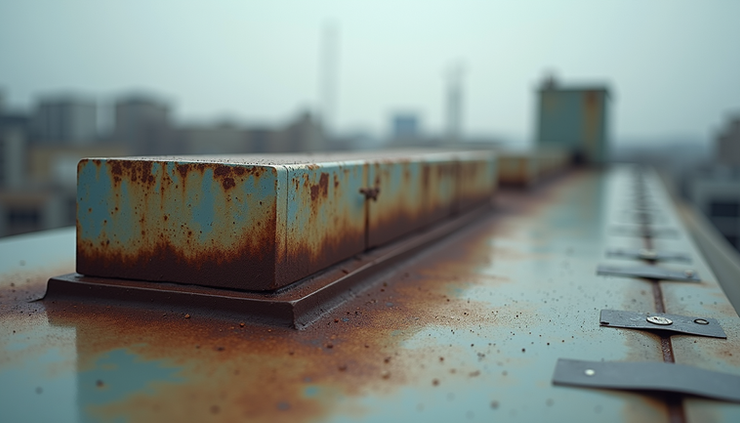
Roof flashings seal joints and edges where the roof meets walls, chimneys, or vents. These metal strips prevent water from entering the building. Over time, exposure to sun, wind, and rain causes flashings to rust, warp, or loosen. When flashings fail, water leaks can damage ceilings, walls, and insulation.
Why it matters:
Water leaks lead to mold growth and structural damage.
Repairing water damage is more expensive than fixing flashings.
Roof integrity affects overall building health.
What to do:
Schedule roof inspections twice a year.
Replace or reseal damaged flashings promptly.
Use high-quality materials designed for local climate conditions.
Ignoring flashing maintenance risks costly repairs and tenant complaints about leaks.
Deteriorating Balconies
Balconies add value and living space but require regular upkeep. Exposure to weather causes concrete spalling, rusting of metal supports, and wood rot. These issues compromise safety and can lead to accidents if not addressed.
Why it matters:
Unsafe balconies pose serious liability risks.
Visible damage lowers tenant satisfaction and property appeal.
Structural issues can spread to adjoining building parts.
What to do:
Inspect balconies annually for cracks, rust, and loose railings.
Repair concrete and replace corroded metal components.
Apply waterproof coatings to protect surfaces.
Proper balcony maintenance protects residents and preserves property value.
Un-serviced Rooftop HVAC Units
Rooftop HVAC units are critical for tenant comfort but often get overlooked because they are out of sight. Without regular servicing, these units lose efficiency, break down more often, and consume more energy.
Why it matters:
Poor HVAC performance leads to tenant complaints.
Increased energy costs impact operating budgets.
Unexpected breakdowns cause emergency repair expenses.
What to do:
Schedule professional HVAC inspections and tune-ups twice a year.
Clean or replace filters regularly.
Check refrigerant levels and electrical connections.
Routine HVAC maintenance improves system lifespan and tenant comfort while reducing costs.

Deferred maintenance in apartment buildings can quickly become a financial burden if ignored. Cracked parking lots, weathered roof flashings, deteriorating balconies, and non-serviced rooftop HVAC units are common trouble spots that deserve attention. By addressing these issues early, property owners protect their investment, enhance tenant satisfaction, and avoid costly emergency repairs.


Comments