
.png)
Grizz Inspections Comprehensive Guide to Residential Home Inspection FAQs
- Grizz Inspections
- 7 days ago
- 2 min read
Buying a home is one of the biggest investments many people make. A thorough home inspection can reveal hidden issues and give you peace of mind before finalizing the purchase. Grizz Inspections specializes in residential home inspections, helping buyers understand the condition of their prospective homes. This guide answers common questions about home inspections to help you prepare and know what to expect.

What Does a Residential Home Inspection Cover?
A home inspection evaluates the overall condition of a house. Inspectors check key systems and components, including:
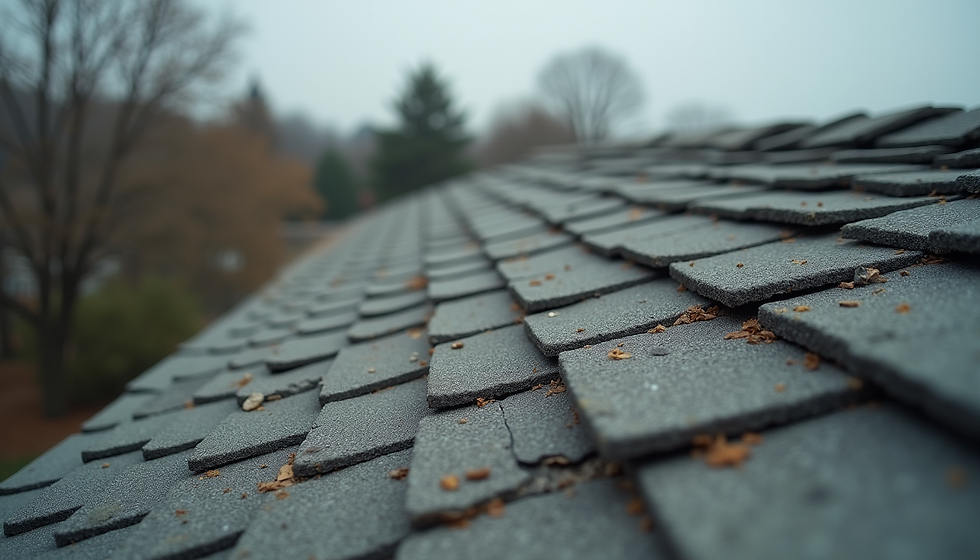
Roof condition and drainage
Foundation and structural elements
Plumbing and electrical systems
Heating, ventilation, and air conditioning (HVAC)
Windows, doors, and insulation
Interior walls, ceilings, and floors
Appliances included in the sale
The goal is to identify safety hazards, major repairs, and maintenance needs. Inspectors do not typically assess cosmetic issues or guarantee future problems.
How Long Does a Home Inspection Take?
Most residential home inspections take between 2 to 4 hours depending on the size and age of the property. Older homes or those with complex systems may require more time. It’s best to be present during the inspection so you can ask questions and get a clear understanding of any concerns.
When Should I Schedule a Home Inspection?
Schedule the inspection soon after your offer is accepted. This allows time to negotiate repairs or walk away if serious issues arise. Avoid waiting until the last minute, as rushed inspections may miss important details.
Can a Home Inspection Detect All Problems?
No inspection can guarantee to find every issue. Inspectors evaluate visible and accessible areas but cannot see inside walls or under floors without invasive methods. Some problems may only appear after you move in. Still, a professional inspection significantly reduces the risk of unexpected surprises.
What Happens After the Inspection?
You will receive a detailed report outlining findings, often with photos and recommendations. Use this report to:
Request repairs or credits from the seller
Plan future maintenance and upgrades
Decide if the property meets your needs and budget
If serious defects are found, you may want to consult specialists like structural engineers or pest control experts for further evaluation.

How Much Does a Home Inspection Cost?
Inspection fees vary by location and property size but typically range from $300 to $600. While this may seem like an added expense, it can save thousands by uncovering costly repairs before purchase.
Can I Attend the Inspection?
Yes, attending the inspection is highly recommended. It allows you to see issues firsthand and ask the inspector questions. This experience helps you understand the home’s condition better than just reading a report.
What Should I Look for During the Inspection?
Pay attention to:
Signs of water damage or leaks
Cracks in the walls or foundation
Electrical hazards like exposed wiring
HVAC system age and functionality
Roof wear and missing shingles
Taking notes and photos during the inspection can help you remember details later.
A residential home inspection is a crucial step in the home-buying process. It provides valuable insight into the property’s condition and helps you make informed decisions. Grizz Inspections offers thorough, clear, and reliable inspections to protect your investment. Schedule your inspection early and attend it to get the most benefit.


Comments