
.png)
Maximizing Your Investments with Dual-Expert Inspections by Certified Inspectors and Contractors
Investing in property or major renovations is a significant financial commitment. Protecting that investment requires more than a quick look or a single expert opinion. Combining the knowledge of a certified inspector with the practical experience of a contractor creates a powerful approach to uncovering potential issues and ensuring long-term value. This dual-expert inspection method helps you avoid costly surprises and makes your investment safer.
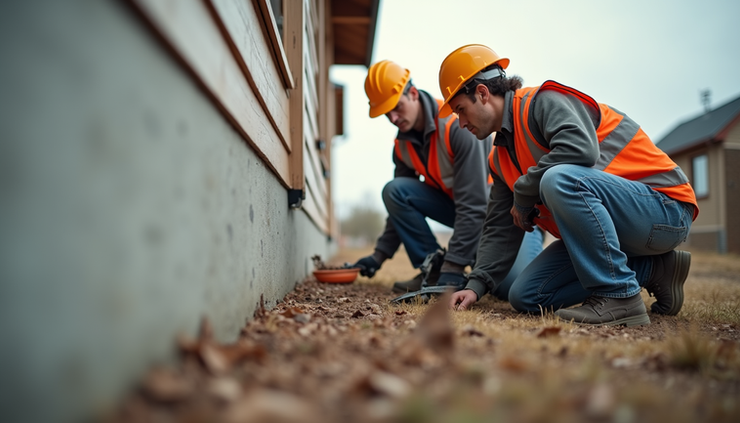
Why Single-Expert Inspections May Fall Short
A certified inspector focuses on identifying defects, safety hazards, and code violations based on established standards. Their training equips them to spot issues like faulty wiring, plumbing leaks, or structural weaknesses. However, inspectors typically do not perform repairs or estimate costs.
Contractors bring hands-on experience with construction, repairs, and renovations. They understand the practical challenges of fixing problems and can provide realistic cost estimates and timelines. But contractors may miss subtle signs of hidden damage that a trained inspector would catch.
Relying on only one expert limits the scope of the inspection. A certified inspector might flag a problem but cannot advise on repair feasibility or cost. A contractor might overlook underlying issues that could cause future expenses. Combining both perspectives offers a more complete picture.
How Dual-Expert Inspections Protect Your Investment
Comprehensive Problem Detection
Certified inspectors follow established standards of practice and perform visual inspections to identify issues that may go unnoticed by the average person. They evaluate electrical systems, roofing, HVAC, plumbing, and structural components to assess overall condition, safety, and professional installation standards. Their reports highlight potential concerns, performance issues, and areas that may require repair or further evaluation.
Licensed contractors bring practical construction knowledge and real-world repair experience to the evaluation process. They assess the severity of identified concerns, distinguish between minor maintenance items and more significant repairs, and provide valuable insight into workmanship, materials, and long-term performance considerations.
Accurate Cost and Time Estimates
Knowing the true cost of repairs is essential for budgeting and negotiation. Contractors provide realistic estimates based on current material prices, labor availability, and project complexity. This helps investors decide if a property is worth purchasing or renovating.
For example, a certified inspector might note water damage in a basement. The contractor can determine if it requires simple sealing or extensive foundation repair, along with associated costs and timelines.
Prioritizing Repairs and Improvements
Not all problems carry the same urgency or impact on property value. Dual-expert inspections help prioritize repairs that protect safety and prevent further damage. They also identify upgrades that increase market appeal or energy efficiency.
This approach guides investors to allocate funds wisely, focusing on critical fixes first and planning improvements strategically.
Negotiation Power for Buyers and Sellers
Detailed inspection reports backed by contractor estimates give buyers leverage during price negotiations. Sellers benefit by addressing issues proactively, avoiding surprises that could derail a sale.
For example, if a roof needs replacement, the contractor’s quote allows the buyer to request a price reduction or seller credit. This transparency builds trust and smooths transactions.
Real-Life Example of Dual-Expert Inspection Benefits
Consider a couple purchasing an older home. The certified inspector finds signs of outdated electrical wiring and minor roof damage. The contractor evaluates these findings and discovers the wiring requires a full upgrade to meet safety codes, and the roof needs partial replacement.
Armed with this information, the buyers negotiate a price reduction that covers repair costs. They avoid unexpected expenses and gain peace of mind knowing the home is safe and sound.
What to Expect During a Dual-Expert Inspection
Initial Walkthrough: The inspector and contractor tour the property together, noting visible and hidden issues.
Detailed Assessment: The inspector uses tools like moisture meters and electrical testers. The contractor evaluates structural integrity and repair needs.
Report Preparation: The inspector compiles a thorough report with photos and descriptions. The contractor adds cost estimates and repair recommendations.
Review Meeting: Both experts discuss findings with the client, answering questions and advising on next steps.
This process usually takes several hours depending on property size and condition.
Choosing the Right Certified Inspector and Contractor
Look for inspectors with certifications from recognized organizations such as the American Society of Home Inspectors (ASHI) or the International Association of Certified Home Inspectors (InterNACHI).
Choose contractors licensed in your state and experienced with your property type.
Ask for references and examples of reports or work.
Final Thoughts on Protecting Your Investment
Using a dual-expert of Grizz Inspections combines the strengths of a certified inspector and contractor to give you a clear, practical understanding of a property’s condition. This approach reduces risk, improves budgeting accuracy, and supports informed decisions.


Comments